Living in Grand Rapids, MI: What Daily Life Is Really Like Once You’re Settled In
Living in Grand Rapids, MI doesn’t feel dramatic, and that’s often the first thing people notice after the move is done and routines begin to settle. It has the footprint of a city but not the pressure that usually comes with one.
Neighborhoods move at their own pace, people settle into habits quickly, and life rarely feels rushed. For anyone relocating here, especially from a larger metro area, the transition is often smoother than expected. If you’re still in the planning phase, our guide to moving to Grand Rapids, MI breaks down what to expect before you arrive.
During that adjustment period, self storage in Grand Rapids can help bridge the gap while you figure out what actually belongs in your living space and what can wait.
Grand Rapids is Michigan’s second-largest city, yet it doesn’t constantly remind you of that fact. Growth is visible, but it hasn’t erased the character of the place. Neighborhoods still feel like neighborhoods, and people tend to stay once they find their footing.
Where Grand Rapids Is and Why Location Shapes Life Here
Grand Rapids sits in western Michigan, roughly 30 miles inland from Lake Michigan. That distance matters more than people realize. It keeps the city close enough for easy access to beaches and lakeside towns, while avoiding some of the harsher weather patterns right along the shoreline.
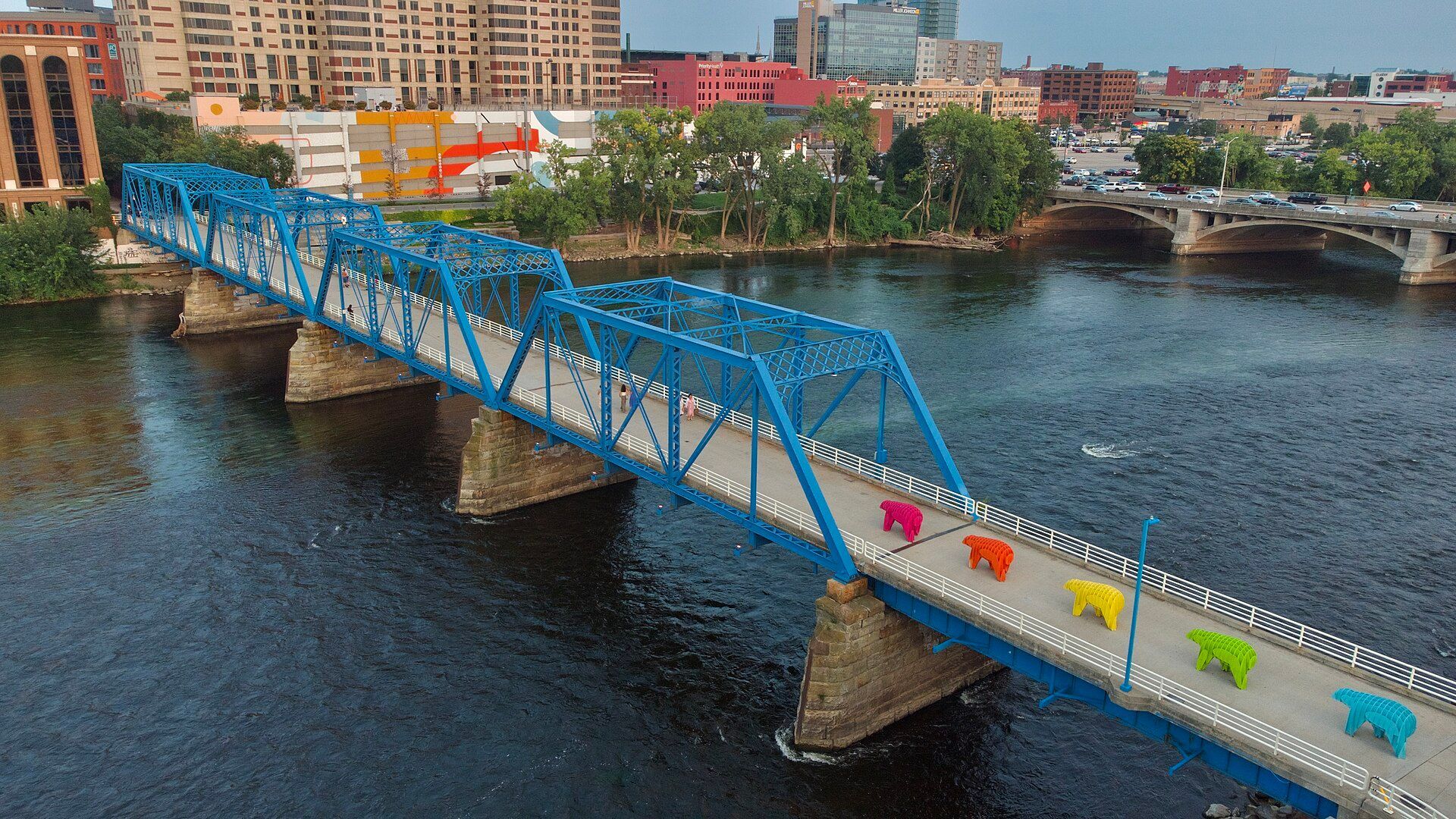
The Grand River runs through the city and quietly shapes how downtown and nearby neighborhoods function. It influences where people walk, bike, and gather, and it gives the city a layout that feels more organic than planned.
What Everyday Life Feels Like
Once the novelty of a new place wears off, daily life in Grand Rapids feels steady in a good way. Traffic exists, but it’s rarely overwhelming. Commutes become predictable, and most residents learn quickly which routes work best at certain times of day.
Downtown has energy during the workweek and weekends, while residential neighborhoods calm down noticeably in the evenings.
Many people here plan their routines around seasons rather than schedules, spending more time outside when the weather allows and slowing down when winter arrives.
Neighborhoods Matter More Than Zip Codes
Grand Rapids isn’t one-size-fits-all. Neighborhoods define the experience more than the city itself. Areas like Eastown and Heritage Hill appeal to people who like older homes, walkable streets, and local businesses close by. Other parts of the city feel newer, quieter, and more residential.
Housing options range from downtown apartments to single-family homes spread throughout the city and surrounding areas. One advantage of Grand Rapids is that moving within the city as your needs change feels realistic, rather than disruptive.
Cost of Living and the Practical Side of Staying
Financially, Grand Rapids sits in a comfortable middle ground. Housing prices have increased, but they haven’t reached the levels seen in larger Midwest metros. That makes long-term planning easier and gives people room to settle instead of constantly reassessing affordability.
Utilities, transportation, and everyday expenses tend to remain manageable, especially for residents who avoid long commutes. If you expect to need extra space during a move or transition, understanding the storage unit cost in Grand Rapids, MI can help you plan more confidently.
Work, Jobs, and Why People Move Here
Employment is one of the city’s quieter strengths. Healthcare, education, manufacturing, and logistics anchor the local economy, offering stability even when broader trends shift.
Remote work has also reshaped how people interact with the city. Many residents now live in Grand Rapids while working for companies elsewhere, gaining flexibility without losing a sense of place or community.
Schools and Education in the City
Education plays a visible role in Grand Rapids. Families often choose neighborhoods based on school access, and school-related events draw participation beyond just parents.
Information about programs, enrollment, and district updates is typically accessed through Grand Rapids Public Schools’ official website. Higher education institutions also influence the city’s culture and economy, bringing in students and professionals year-round.
Parks, Trails, and Getting Outside
For a city, Grand Rapids offers consistent access to green space. Parks and trails are spread throughout the area rather than concentrated in one spot, which makes outdoor time feel like part of daily life instead of a special outing.
Riverfront paths are especially popular, and many residents build walking or biking into their routines whenever weather allows. Even in colder months, people still find ways to get outside.
Arts, Events, and Local Culture
Arts and culture in Grand Rapids feel lived in rather than staged. Museums, galleries, music venues, and theaters operate year-round and are well supported by locals.
Festivals and community events bring people together across neighborhoods. These gatherings tend to feel familiar and approachable, which helps maintain a strong sense of local identity.
Getting Around Without Overthinking It
Most residents rely on personal vehicles, though walkability continues to improve in central neighborhoods. Public transportation exists, but it’s not the backbone of daily movement for most households.
Highways and main roads make it easy to reach surrounding towns or head west toward Lake Michigan. Travel times are generally predictable, which keeps commuting manageable.
City Services and How Things Actually Run
Grand Rapids operates with a structured city government, and most residents interact with it only occasionally. When they do, information about services, ordinances, and city projects is available through the City of Grand Rapids official website.
Services like snow removal, waste collection, and road maintenance are generally reliable. These are the kinds of things people don’t notice until they fail, and here they mostly just work.
Weather and Living With the Seasons
Living in Grand Rapids means experiencing all four seasons. Summers are active and social, winters are slower and colder, and spring and fall feel like resets.
Most residents eventually stop fighting the weather and start planning around it. Winter routines look different, but they’re still routines.
Food Culture Beyond the Reputation
Grand Rapids is often associated with breweries, but everyday dining goes far beyond that image. Neighborhood restaurants, casual spots, and small cafés form the backbone of how people actually eat.
Many locals develop regular places they return to rather than chasing trends. Food trucks and seasonal menus add variety without overwhelming the scene.
Downtown or Quieter Neighborhoods
New residents often debate whether to live downtown or farther out. Downtown offers walkability and proximity to work and entertainment, but living spaces are typically smaller.
Outside the city center, neighborhoods provide more space, quieter streets, and easier parking. Because commute times stay reasonable, living farther out rarely feels limiting.
Weekends and Getting Away Easily
Weekends in Grand Rapids often involve short trips rather than long travel. Lake Michigan is close enough for spontaneous day trips, and nearby towns offer beaches, trails, and seasonal attractions.
Even within the city, weekends feel calmer. Neighborhoods slow down, parks fill up, and people step away from weekday routines.
Storage and Space During Life Changes
City living often involves trade-offs with space. Moves, renovations, downsizing, or job changes can all create temporary storage needs.
Many residents rely on storage during these transitions, especially when balancing smaller living spaces with seasonal gear or household items. Access to storage options in Grand Rapids helps keep homes functional during periods of change.
Infrastructure You Rarely Think About
Internet access and utilities are widely available and dependable across the city. This matters for remote work, families, and day-to-day convenience.
Roads, utilities, and services are generally well maintained, which quietly supports daily life once residents settle in.
Healthcare Access and Everyday Medical Needs
One practical advantage of living in Grand Rapids that residents often appreciate over time is access to healthcare. The city serves as a regional medical hub for West Michigan, which means specialized care, routine appointments, and emergency services are generally close by. Many people move here without fully realizing how much that convenience matters until they need it.
Hospitals, clinics, and specialty providers are spread throughout the city and surrounding areas, reducing the need for long drives for basic care. This is especially important for families, older residents, and anyone managing ongoing health needs.
Even routine appointments tend to feel easier to schedule compared to smaller towns that rely on limited providers.
Beyond hospitals, Grand Rapids has a wide network of urgent care centers, physical therapy offices, dental practices, and mental health services. That availability helps residents stay local for most needs instead of traveling to larger cities.
Over time, this access becomes part of the city’s quiet appeal. It is not something people move for directly, but it is often one of the reasons they feel comfortable staying long term.
For newcomers, this level of access can make settling in feel more secure. Knowing that care is nearby adds a layer of stability that supports everyday life, especially during periods of change or adjustment.
Why People End Up Staying
Ask long-term residents why they stayed, and the answer is rarely just one thing. It’s balance. Opportunity without pressure. Growth without chaos.
People adjust their housing and routines over time without feeling the need to leave the city entirely.
Who Grand Rapids Works Best For
Grand Rapids fits people who want city amenities without constant stimulation. Professionals, families, creatives, and retirees all find room here.
Those seeking nonstop nightlife may find it slower, but many residents see that as a benefit.
Adjusting as a Newcomer
The biggest adjustment for new residents is usually pace. Things move steadily here. Winters can feel long at first, but most people find rhythms that work.
Exploring neighborhoods slowly helps. There’s no rush to figure everything out.
Final Thoughts on Living in Grand Rapids, MI
Living in Grand Rapids, MI offers a kind of stability that’s becoming harder to find. It’s not flashy, and it doesn’t try to be. It simply works. For many people, that’s exactly why it becomes home.